Sleep Apnea Denver
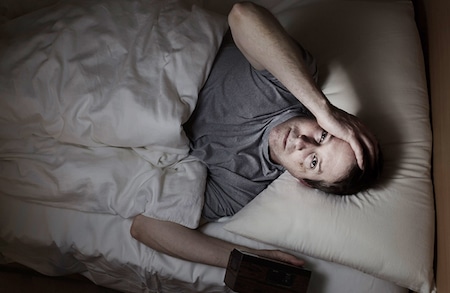
You’ve probably heard of sleep apnea before, and you may recognize some of its symptoms. Many people don’t realize how serious this condition can be. When someone has sleep apnea, they stop breathing multiple times a night—sometimes hundreds.
Because it happens while you’re asleep, it often goes unnoticed. Most people go about their day unaware of the damage this interrupted breathing causes to their bodies.
What Happens When Sleep Apnea Goes Untreated
Each pause in breathing can last from 10 seconds to a full minute before the brain signals the body to start again. These constant interruptions fragment your sleep and strain your organs. Over time, untreated obstructive sleep apnea (OSA) can increase the risk of stroke, heart disease, organ failure, and even premature death.
Left untreated, OSA can also drain your energy, focus, and overall quality of life. If you suspect you may have sleep apnea, don’t wait. Call our sleep dentist today at (303) 691-0267 to schedule an evaluation.

Sleep Apnea Treatment
Sleep apnea can prevent breathing while you sleep, leading to unwanted symptoms and other health issues . The great news is treatment is available.

Snoring
Snoring is usually viewed as a minor inconvenience, but it’s a major sleep apnea symptom. Luckily, we have the treatment you need.
Sleep Apnea Types
One of the most common signs of sleep apnea is daytime sleepiness. This symptom can be measured with the Epworth Sleepiness Scale. If you suspect you may have sleep apnea, consult both a Denver sleep dentist and a sleep physician. The physician will provide an official diagnosis, while our Denver office can recommend treatment options if you’re a suitable candidate.
There are three main types of sleep apnea, and identifying the correct one is essential for proper treatment.
Obstructive Sleep Apnea (OSA)
This is the most common form of sleep apnea. It occurs when a physical blockage in the airway disrupts normal breathing during sleep. Common causes include:
- Poor sleeping position
- Genetics or family history
- Obesity
- Enlarged soft tissues such as the tonsils, adenoids, or tongue
- Allergies or respiratory infections (which can trigger temporary OSA)
Central Sleep Apnea
Central sleep apnea happens when the brain fails to send or receive the right signals to control breathing. This imbalance occurs in the brain’s respiratory control center, leading to pauses in breathing even when the airway is clear.
Mixed or Complex Sleep Apnea
Some people experience both types. When obstructive and central sleep apnea occur together, it’s referred to as mixed or complex sleep apnea.
If you believe you might have OSA, schedule an appointment with Dr. Berry today to explore life-changing treatment options.
Sleep Apnea Symptoms
This sleeping disorder can be difficult to diagnose because many of the symptoms overlap with other conditions. In fact, 80% of all patients go undiagnosed, underdiagnosed, and untreated. Make an appointment with your Denver sleep dentist, Dr. Kevin Berry, who focuses on dental sleep medicine and has the experience and abilities to treat your sleep disorder.
Some symptoms occur during the night, but others show themselves during the day. Monitor yourself for these symptoms:
- Loud snoring
- Excessive daytime sleepiness
- Choking, coughing, or gasping for breath during sleep
- Frequent nighttime urination
- Irritability
- Inability to concentrate
- Morning headaches
- Dry mouth or sore throat upon waking
- Falling asleep at inappropriate times
- Daytime fatigue
If left untreated can contribute to conditions such as:
- Heart attack
- Stroke
- Diabetes
- Dementia
- Alzheimer’s Disease
- Obesity
- Depression and anxiety
- High blood pressure
- Atrial fibrillation
Sleep apnea can be difficult to diagnose, as many of its symptoms overlap with other conditions. That’s why it’s crucial to undergo a proper diagnostic assessment. We offer both home sleep studies and in-lab sleep studies to accurately diagnose your condition. Our team will work with your sleep physician to determine the severity and recommend the best course of action.

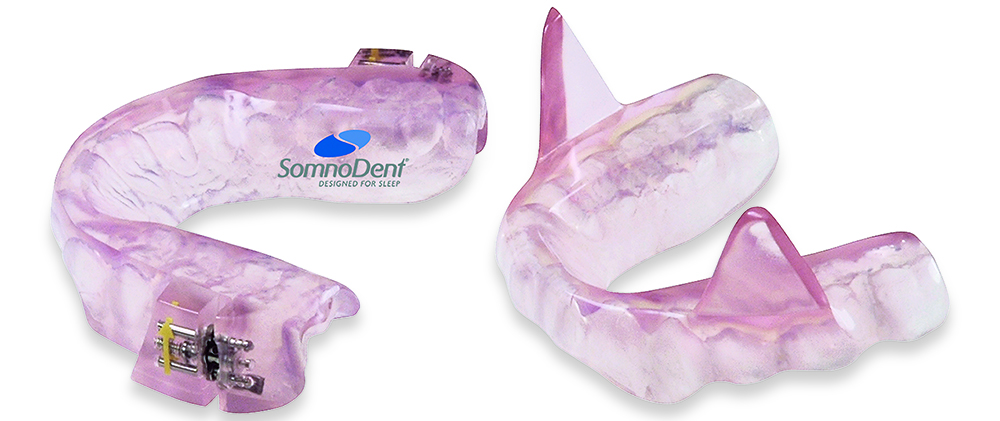
CPAP isn’t the only option for treatment


Rest With Quality & Safety Each Night
Don’t let sleep apnea put your health at risk each night. Thanks to modern advances in treatment, you don’t have to keep suffering. Effective solutions such as CPAP therapy and oral appliance therapy can help you breathe easier and sleep better.
Comfortable CPAP Alternatives
Oral appliances gently reposition the jaw or tongue to keep your airway open during sleep. They’re a comfortable and effective alternative for patients who struggle with CPAP use.
Non-Invasive Options
Lifestyle-based treatments, including positional therapy and weight loss, can also reduce symptoms. These non-invasive methods are often worth trying before considering surgical options.
Ongoing Care for Lasting Relief
Successful treatment depends on teamwork between your sleep physician and your sleep dentist. Once you begin therapy, follow-up care is essential to maintain results. Regular check-ups and sleep studies help monitor progress, make necessary adjustments, and ensure long-term success in managing sleep apnea.
Sleep Apnea and TMJ
In some cases, TMJ (temporomandibular joint) disorders may contribute to or exacerbate symptoms. Misalignment of the jaw can cause tension and obstruction in the airway. If you also experience jaw pain, headaches, or facial discomfort, it’s important to discuss how TMJ therapy may work alongside your sleep apnea treatment.
Get the Sleep You Deserve with Dr. Kevin Berry
Don’t let sleep apnea impact your health and well-being any longer. Dr. Kevin Berry offers effective treatments, including oral appliance therapy and other non-invasive solutions tailored to your needs. If you’re ready to improve your sleep and overall health, call (303) 691-0267 today to schedule your consultation. Let Dr. Berry help you breathe easier and sleep better, so you can wake up refreshed and ready to take on the day!