A Simpler, Quieter Way to Treat Sleep Apnea
If you’ve struggled with a CPAP machine—dealing with the mask, noise, or discomfort—you’re not alone. Many people with sleep apnea stop using CPAP because it’s too cumbersome to keep up with. Unfortunately, untreated sleep apnea can lead to serious health risks, including fatigue, headaches, and even cardiovascular issues.
At the TMJ Therapy & Sleep Center of Colorado, Dr. Kevin Berry, DDS, MS, offers a more comfortable and convenient sleep apnea treatment option: custom oral appliance therapy. These small, quiet devices help you breathe naturally at night without the hoses or headgear associated with traditional CPAP devices.
What is Oral Appliance Therapy?
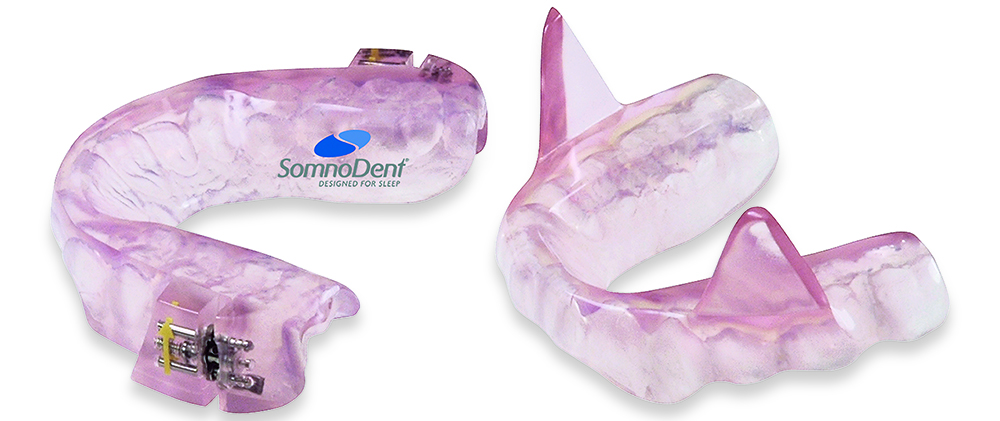
Oral appliance therapy utilizes a small, custom-fitted device—often referred to as a sleep apnea appliance—that gently repositions your jaw or tongue to maintain an open airway while you sleep. For patients with mild to moderate obstructive sleep apnea (OSA), oral appliances are a proven, effective alternative to CPAP. They’re quiet, portable, and designed for comfort, making nightly use easier—and treatment more successful.
Many patients seek CPAP alternatives because the traditional setup can be uncomfortable or disruptive. Oral appliances offer freedom and simplicity while still reducing the frequency of apnea episodes. They are compact, travel-friendly, and easy to wear. Without the need for hoses, electricity, or a face mask, these devices provide a comfortable fit that allows natural breathing and accommodate those who prefer sleeping on their sides or stomach.
Unlike bulky machines, oral appliances fit easily into your nightly routine, helping you enjoy restorative, uninterrupted sleep once again.
Who Is a Good Candidate for an Oral Appliance?
Not every patient needs or benefits from CPAP therapy. If you’ve been diagnosed with sleep apnea but struggle with CPAP compliance, an oral appliance could be a great fit.
Dr. Berry reviews your sleep study, airway structure, and lifestyle factors to determine which device best supports your breathing patterns.
When Oral Appliances Work Well
Oral appliance therapy is often recommended for:
- Mild to moderate OSA cases
- CPAP-intolerant patients who can’t wear the mask or maintain usage
- Frequent travelers or those seeking a low-maintenance solution
- Combination therapy patients who use both CPAP and an oral device to reduce pressure levels
By focusing on comfort and practicality, this approach enhances adherence, ultimately leading to improved long-term health outcomes.
How Sleep Apnea Devices Differ
Every airway is unique, and so are the devices designed to treat it. Sleep apnea appliances can vary in how they reposition the jaw or tongue, the materials used, and their level of adjustability.
At TMJ Therapy & Sleep Center of Colorado, we select and fine-tune devices based on your individual needs, rather than a one-size-fits-all approach.
Common Appliance Types We Use
Each design supports the airway differently, but they share a common goal: helping you breathe comfortably and continuously throughout the night.
- Mandibular Advancement Devices (MADs): Move the lower jaw slightly forward to prevent the airway from collapsing.
- Tongue-Retaining Devices: Hold or support the tongue to prevent it from blocking the airway.
- Titration-Adjustable Devices: Custom designs that allow fine adjustments for maximum comfort and effectiveness.
These appliances are designed to reduce snoring and apnea events while protecting your jaw and bite alignment—especially important for patients with TMJ concerns.
The Treatment Process at TMJ Therapy & Sleep Center of Colorado
Dr. Berry’s approach to sleep apnea treatment is patient-centered and detail-oriented. You’ll always understand what to expect and how to track your progress.
From Consultation to Comfortable Sleep
Each phase of care is personalized for your comfort and success:
- Consultation & Records: We review your sleep study, perform an airway and jaw evaluation, and take digital impressions or scans.
- Custom Fitting: Your device is designed for a precise and comfortable fit, ensuring easy nightly use.
- Titration Phase: We make gradual adjustments to improve breathing and comfort.
- Follow-Up Evaluation: Progress is confirmed through follow-up testing and communication with your sleep physician.
Dr. Berry also ensures your bite remains healthy and balanced throughout treatment—a key factor in long-term comfort and success.



Benefits Compared to CPAP
While CPAP remains a valuable therapy for severe cases, oral appliances often offer a more practical option for everyday life.
Why Patients Stick With Oral Appliances
Comfort and simplicity lead to consistent use—which means better health outcomes over time.
- Quiet and discreet, ideal for light sleepers or partners
- No straps, leaks, or headgear
- Easy to travel with—no bulky machine to pack
- Simple maintenance and cleaning
For many patients, switching from CPAP to a custom sleep apnea device is what finally makes consistent treatment possible.
Caring for Your Sleep Apnea Appliance
Proper care keeps your device clean, comfortable, and in good condition. Daily cleaning and regular checkups ensure it continues to fit well and perform effectively.
Simple Maintenance Tips
Taking care of your appliance only takes a few minutes a day:
- Rinse with cool water and brush gently with a soft toothbrush.
- Avoid using toothpaste or hot water, as they can scratch or warp the device.
- Store it in a ventilated case when not in use.
- Bring it to follow-up visits for inspection or adjustments.
With good maintenance, most appliances last several years before needing replacement.
Oral Appliance Therapy, TMJ, and Your Bite
Because TMJ Therapy & Sleep Center of Colorado also focuses on jaw health, your treatment plan will include a bite and joint assessment.
If you have existing TMJ symptoms—such as jaw clicking, tension headaches, or facial pain—Dr. Berry will ensure your sleep apnea device supports your airway without aggravating your joints or muscles. This integrated approach helps protect your comfort both during and after therapy.
Insurance, Medicare, and Costs
Oral appliance therapy is often covered by medical insurance when diagnosed through a sleep study. While coverage varies, many PPO and Medicare plans reimburse all or part of the treatment when clinical criteria are met.
Our team helps you understand your coverage, complete the necessary forms, and coordinate with your sleep physician. You’ll always receive a transparent estimate before beginning treatment, with flexible options for payment or phased care.
For a deeper look at contributing factors and diagnosis, read about the causes of sleep apnea.
FAQs: CPAP Alternatives & Oral Appliance Therapy
Many patients have questions about how oral appliance therapy compares to CPAP, what to expect from treatment, and whether it’s right for their type of sleep apnea. The answers below address the most common concerns we hear in our Denver practice.
Send Us An Email!
Want to book an appointment or learn more about our services?
Contact our office!
"*" indicates required fields
Ready to Sleep Better—Without the Mask?
If you’ve tried CPAP and it’s not working for you, a custom sleep apnea appliance could be the comfortable, effective solution you’ve been looking for.
At the TMJ Therapy & Sleep Center of Colorado, Dr. Kevin Berry and his team provide advanced diagnostics, personalized attention, and ongoing support, enabling you to sleep—and live—better.
Call our Denver office today at (303) 691-0267 or use our online contact form to the right to schedule your consultation and learn more about your CPAP alternatives.